
What Slows Lymphatic Drainage? Understanding Edema, Swelling and Fluid Retention
By Mahalath Moore, LMT
Founder of MBODE Recovery | Lymphatic Drainage and Post-Surgical Recovery Practitioner
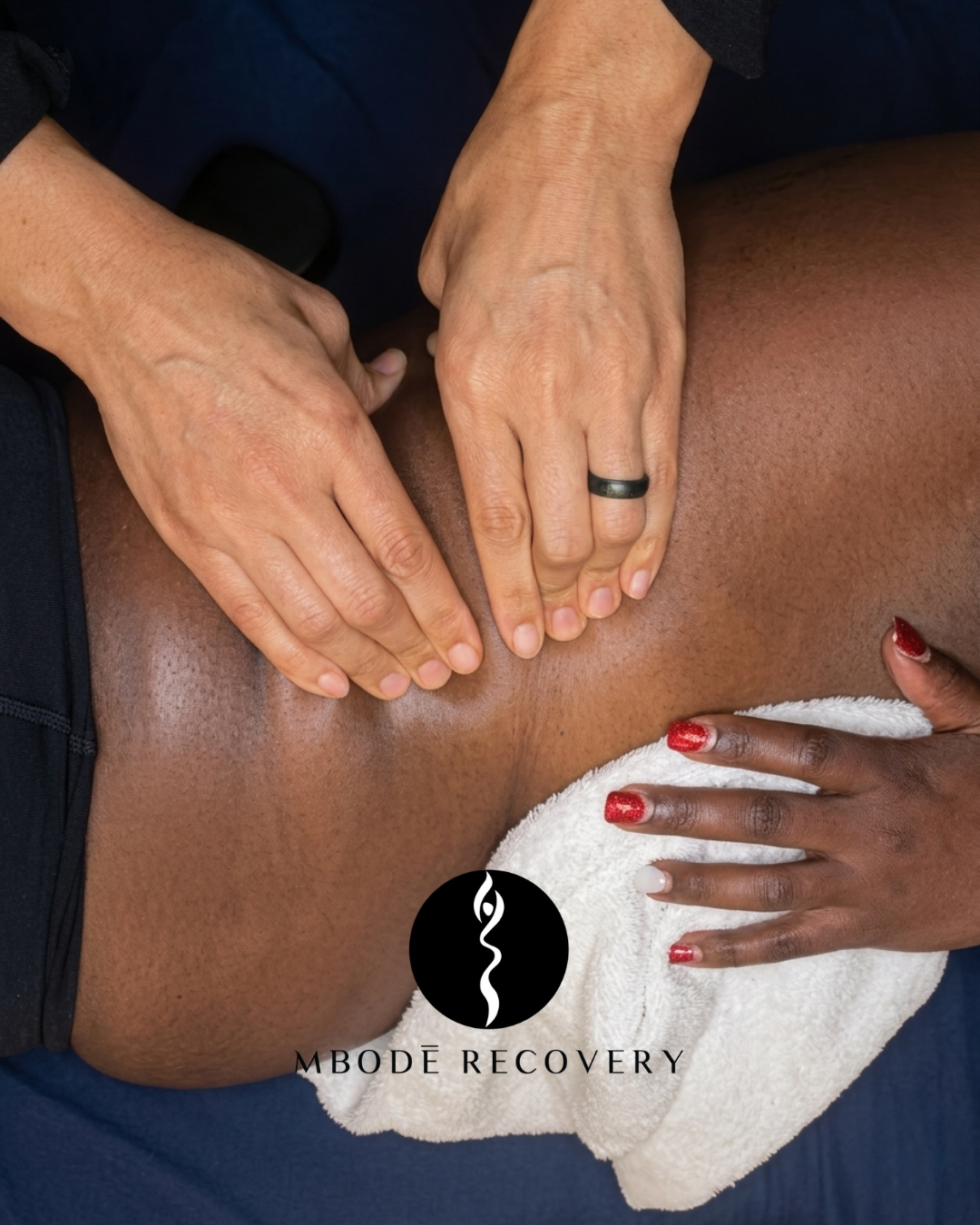
When people feel swollen, puffy or heavy, they often assume their lymphatic system is not working properly.
Sometimes that is true. Surgery, scar tissue, lymph-node removal, limited movement and other factors can interfere with normal lymphatic drainage.
But there is another possibility: the lymphatic system may still be functioning while being asked to manage more fluid than usual.
That distinction is important.
Edema describes the buildup of excess fluid in the tissues. It does not automatically tell us what caused that buildup.
The lymphatic system is responsible for collecting much of the fluid that remains in the tissues and returning it to circulation. So even when the original cause of edema is sodium, medication, hormonal changes, inflammation or another factor, the lymphatic system still plays an important role in helping the body manage and clear that additional fluid. (For a fuller look at how this system works, see What Is the Lymphatic System And Why It Matters More Than You Think.)
MBODE Perspective: In my work with lymphatic drainage and post-surgical recovery, this is one of the most important points I help clients understand: swelling does not always mean the lymphatic system is damaged, but the lymphatic system is still central to how the body manages swelling.
What Does the Lymphatic System Do?
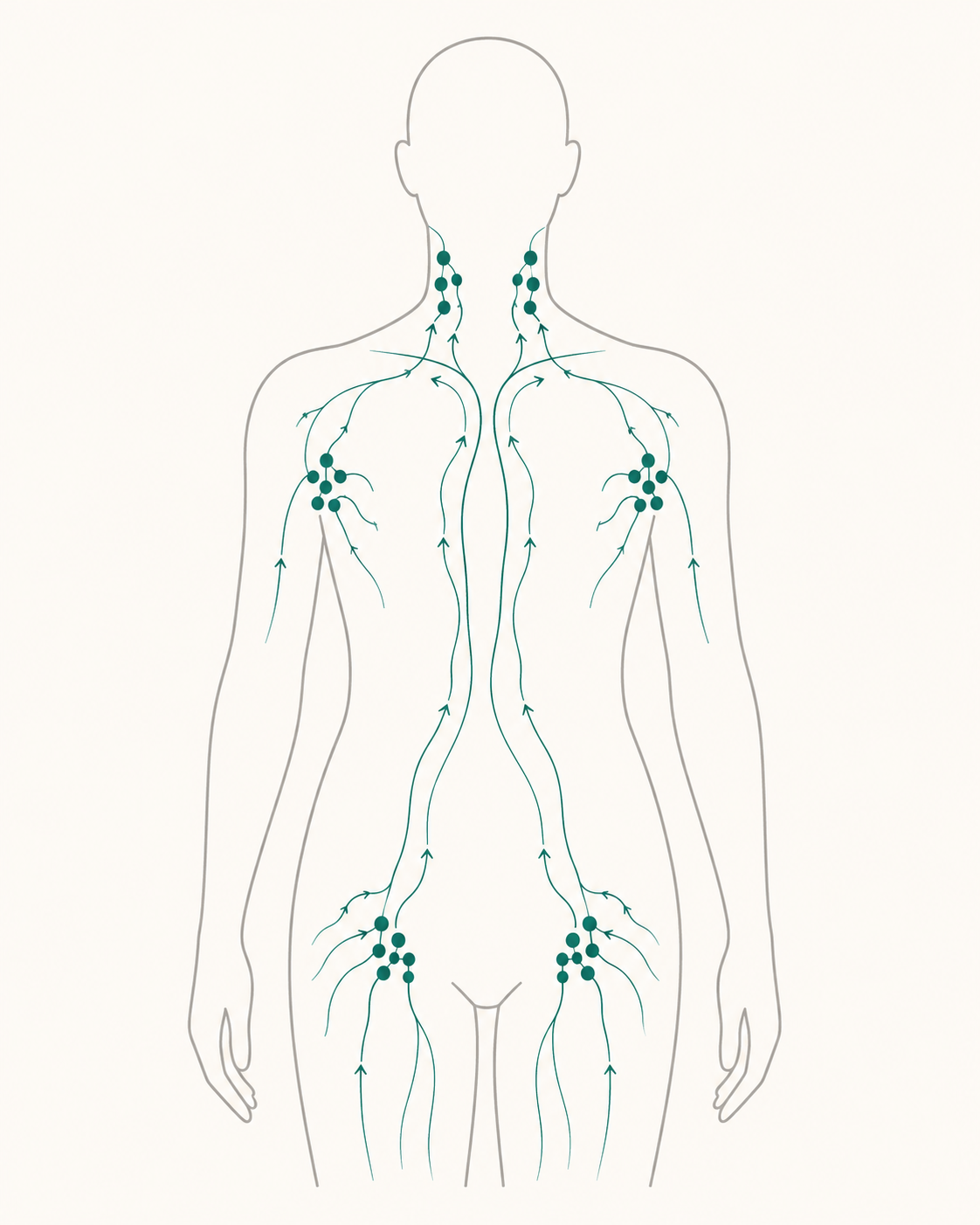
The lymphatic system is a network of vessels, lymph nodes and organs that supports fluid balance and immune function.
Throughout the day, fluid moves from the bloodstream into the surrounding tissues. Most of that fluid is reabsorbed through the circulatory system. The lymphatic system collects much of what remains, including fluid, proteins and other materials that need to be transported away from the tissues.
That fluid travels through lymphatic vessels, passes through lymph nodes and eventually returns to the bloodstream.
Unlike the cardiovascular system, the lymphatic system does not have one large central pump like the heart. Lymph movement is supported by several mechanisms, including:
Muscle contractions
Walking and general body movement
Diaphragmatic breathing
Changes in pressure within the body
Natural contractions within the lymphatic vessels
When movement decreases, inflammation increases or a lymphatic pathway is disrupted, fluid may not move as efficiently.
What Is Edema?
Edema is the medical term for swelling caused by excess fluid collecting in the body's tissues.
It may appear as:
Swollen feet or ankles
Puffiness in the face or hands
Fullness around a surgical area
Heaviness in an arm or leg
Tightness in the skin or clothing
Temporary weight fluctuations related to fluid
An indentation that remains after pressing the skin
Edema can be localized to one area or more widespread throughout the body.
Common causes include high sodium intake, medication, pregnancy, prolonged sitting or standing, inflammation and certain heart, kidney, liver, venous or lymphatic conditions. (MedlinePlus)
Are Edema and Lymphedema the Same?
No. They are related, but they are not synonymous.
Edema is the general term for excess fluid within the tissues.
Lymphedema is a specific form of swelling that develops when the lymphatic system is damaged, blocked, underdeveloped or unable to transport lymphatic fluid adequately.
Lymphedema may occur after lymph nodes are removed or damaged during surgery or radiation. It can also result from congenital lymphatic conditions, infection, trauma or another obstruction affecting lymphatic flow. (Cancer.gov)
A person can have edema without having lymphedema.
For example, someone may experience temporary ankle swelling after a long flight or facial puffiness after a high-sodium meal. That does not necessarily mean the lymphatic system has been permanently damaged.
However, the lymphatic system still has to help manage the additional fluid within those tissues.
A simple way to understand the difference is this:
Sometimes the drainage pathway is impaired. Other times, the pathway is functioning but temporarily has more fluid to manage.
Both can result in visible or uncomfortable swelling.
What Can Slow or Impair Lymphatic Drainage?
Several factors can reduce lymph movement, increase the demands placed on the lymphatic system or disrupt the pathways through which fluid normally travels.
Limited Movement
Movement is one of the body's natural tools for supporting lymphatic and venous circulation.
When muscles contract, they help encourage fluid to move through vessels and back toward circulation. Long periods of sitting, standing or lying down reduce that pumping action.
This is why swelling may become more noticeable after:
A long flight or car ride
Extended desk work
Bed rest
An injury that limits movement
The first several days after surgery
Spending long periods in one position
Limited activity does not automatically mean the lymphatic system is damaged. It means one of the mechanisms that assists lymph movement is less active.
Gentle walking, position changes and breathing exercises may support circulation when they are appropriate for the person's health and stage of recovery.
Surgery
Surgery creates inflammation, tissue disruption and an increased demand on the body's healing systems.
Fluid and immune cells are sent into the surgical area as part of the healing response. At the same time, the person may be moving less, wearing compression garments or protecting the surgical area.
Some procedures also disrupt superficial lymphatic vessels as tissue is cut, lifted, removed or repositioned.
This combination can create a significant increase in swelling.
The body often begins developing alternative drainage routes as healing progresses. However, how efficiently that happens depends on the type of surgery, the amount of tissue involved, the person's health history and whether complications are present.
This is one reason appropriately timed post-surgical lymphatic drainage can be so valuable. It can support fluid movement while the body is healing and adapting to temporary changes within the tissues.
Lymph-Node Removal or Damage
Lymph-node removal and radiation are among the clearest causes of impaired lymphatic drainage.
These interventions may be necessary during treatment for breast cancer, melanoma, prostate cancer, gynecological cancers and other conditions.
When nodes or connecting vessels are removed or damaged, the normal route for lymphatic fluid may be disrupted. This can increase the risk of lymphedema in the affected area, sometimes months or years after treatment. (Cancer.gov)
Scar Tissue and Fibrosis
Scar formation is a normal part of healing. However, scar tissue may become dense, restricted or adhered to surrounding structures.
After surgery, injury or prolonged swelling, the tissue may feel:
Firm
Thick
Tight
Uneven
Tender
Less mobile
Restricted tissue may make it more difficult for fluid to move freely through an area.
Persistent swelling can also contribute to tissue changes over time. This is why early, softer postoperative swelling may feel very different from longer-standing fibrosis or chronic lymphatic congestion.
Lymphatic drainage may be combined with other appropriate tissue techniques as recovery progresses, depending on the procedure, healing stage and individual presentation. (Related reading: Why Fibrosis Forms After Surgery and Why That Hard Lump After Surgery Isn't Going Away.)
Inflammation
Inflammation is part of the body's normal response to surgery, injury, infection and illness.
During inflammation, blood vessels become more permeable so fluid and immune cells can enter the affected tissues. When the amount of fluid entering an area exceeds what the venous and lymphatic systems can remove, edema develops.
The lymphatic system then has a larger workload.
This does not necessarily mean the system is failing. It may simply be managing a temporary increase in fluid, inflammatory material and cellular waste.
Infection
Infection can create localized swelling, redness, warmth and pain.
Repeated or severe infections may also damage lymphatic vessels and make future drainage more difficult. People with existing lymphedema can be particularly vulnerable to skin infections in the affected area.
Swelling accompanied by fever, redness, heat, drainage or rapidly increasing pain should be medically evaluated rather than treated as routine lymphatic congestion.
Chronic Venous Insufficiency
The venous and lymphatic systems work closely together.
Veins return blood to the heart. The lymphatic system collects excess fluid and proteins that remain in the tissues.
When veins are not returning blood efficiently, pressure can build within them. More fluid may then move into the surrounding tissues, creating a greater workload for the lymphatic system.
Over time, persistent venous swelling may overwhelm lymphatic capacity and contribute to a combined venous and lymphatic condition.
Higher Body Weight
Higher body weight can increase pressure on the veins and lymphatic vessels, limit mobility and contribute to chronic inflammation.
These factors may increase the workload placed on the systems responsible for maintaining fluid balance. Higher body weight can also increase the risk of lymphatic complications when combined with surgery, lymph-node removal or other risk factors.
Congenital Lymphatic Conditions
Some people are born with lymphatic vessels or nodes that are underdeveloped or do not function as expected.
This is referred to as primary lymphedema.
Symptoms may begin during childhood, adolescence or adulthood. The timing depends on the individual condition and how much fluid the person's lymphatic system can manage before symptoms become noticeable. (If chronic, disproportionate swelling in the legs sounds familiar, see What Is Lipedema? Why Millions of Women Are Being Told "Just Lose Weight".)
What Can Cause Edema or Increase Fluid Retention?
Some factors contribute to swelling without directly damaging the lymphatic system.
They may cause the body to retain more water, increase the amount of fluid entering the tissues or make it harder for fluid to return through the veins.
The lymphatic system then has more fluid to manage.
Too Much Sodium
Sodium plays an important role in fluid balance, nerve function and muscle function. But consuming more sodium than the body needs can cause water retention.
After a particularly salty meal, a person may notice:
Facial puffiness
Swollen fingers
Abdominal bloating
Tight shoes
Fuller ankles or feet
A temporary increase on the scale
This does not necessarily mean the lymphatic system has become clogged or damaged.
It means the body is retaining more water, creating a greater fluid load for the circulatory and lymphatic systems to manage. Excess sodium is a recognized contributor to edema. (MedlinePlus)
Hormonal Changes
Hormones influence how the body regulates sodium, water and blood-vessel function.
Some people notice increased puffiness or swelling during:
Certain stages of the menstrual cycle
Pregnancy
Perimenopause
Menopause
Hormonal contraceptive use
Hormone-replacement therapy
Hormonal changes may increase fluid retention without causing permanent lymphatic damage.
The phrase "hormonal imbalance" is often used broadly, however. Persistent or unexplained swelling should not automatically be attributed to hormones. Thyroid conditions and other endocrine concerns should be properly evaluated.
Certain Medications
Some medications may cause peripheral edema or fluid retention.
This may happen because a medication causes the body to retain sodium and water or changes pressure within the blood vessels, allowing more fluid to enter the tissues.
Medications that may contribute to swelling include:
Certain blood-pressure medications, including calcium-channel blockers
Corticosteroids
Estrogen-containing medications
Some hormonal contraceptives
Nonsteroidal anti-inflammatory medications
Gabapentin and pregabalin
Certain antidepressants
Some diabetes medications
Medication-related swelling does not automatically mean the lymphatic system has been damaged. It may mean the system is being asked to manage an increased amount of tissue fluid. (MedlinePlus)
A prescribed medication should not be stopped without speaking with the prescribing healthcare provider.
Prolonged Sitting or Standing
Gravity naturally draws fluid toward the lower body.
When someone sits or stands for several hours, muscle contractions may not be sufficient to move fluid back toward circulation as effectively.
This can lead to temporary swelling in the legs, feet or ankles, especially during long workdays, flights, road trips or periods of limited activity.
Heat and Humidity
Heat causes blood vessels near the skin to widen.
That may allow more fluid to enter the surrounding tissues and can make swelling more noticeable, particularly in the hands, feet and ankles.
People who already experience venous or lymphatic concerns may notice that their symptoms increase during hot or humid weather.
Injury
Sprains, fractures, burns and soft-tissue injuries commonly produce localized edema.
The body sends fluid, immune cells and other healing resources to the injured area. This inflammatory response is necessary, but it may also create pressure, tightness and reduced mobility.
The lymphatic system plays an important role in helping clear that excess fluid as the tissues heal.
Pregnancy
Swelling during pregnancy may be influenced by:
Hormonal changes
Increased blood volume
Increased water retention
Pressure on veins within the pelvis
Reduced venous return from the legs
Some swelling in the feet and ankles can be common. Sudden or significant swelling, particularly in the face or hands, should be discussed promptly with a healthcare provider.
Heart, Kidney or Liver Conditions
The heart, kidneys and liver all play essential roles in circulation and fluid regulation.
Conditions affecting these organs may cause persistent or widespread edema, including swelling in both legs, abdominal swelling, rapid weight changes or shortness of breath.
This type of edema requires medical care. Lymphatic drainage does not correct the underlying heart, kidney or liver condition.
Does Not Drinking Enough Water Slow Lymphatic Drainage?
Hydration supports circulation, kidney function, digestion and normal fluid regulation.
Someone who consistently drinks very little water may not be supporting their body's overall function as well as they could. However, it would be misleading to say that dehydration simply makes lymph "thick," clogs the lymphatic system or directly causes all swelling.
Drinking enough water is supportive, but more water is not the answer to every type of edema.
Additional water will not repair damaged lymph nodes or resolve swelling caused by:
A blood clot
Heart disease
Kidney dysfunction
Liver disease
An active infection
Venous insufficiency
A medication side effect
A postoperative complication
Hydration matters, but the cause of the swelling still matters more.
Why Lymphatic Drainage Can Be an Important Part of Recovery
Not every swollen area is caused by permanent lymphatic damage. But almost every form of tissue swelling creates additional work for the lymphatic system.
That is where the value of lymphatic drainage is often misunderstood.
Manual lymphatic drainage uses gentle, intentional techniques designed to support fluid movement through available lymphatic pathways. In established lymphedema care, it is commonly used alongside compression, movement and skin care to encourage lymphatic flow and help reduce swelling. (nhs.uk)
In post-surgical recovery, lymphatic drainage may be used to support the body while it is managing inflammation, temporary tissue disruption, reduced movement and a higher fluid load.
When properly timed and performed by a trained practitioner, lymphatic drainage may help:
Support the movement of excess tissue fluid
Reduce feelings of heaviness, pressure and tightness
Improve comfort during recovery
Encourage movement through areas of congestion
Support the body's natural fluid-clearing processes
Improve tissue mobility as healing progresses
Complement compression, movement and other recovery recommendations
Help the practitioner monitor how the tissues are changing over time
The technique should not be painful or aggressive.
More pressure does not mean more fluid is being moved. The lymphatic vessels involved in superficial drainage are close to the surface, which is why lymphatic work requires specific pressure, direction, pacing and an understanding of the body's drainage pathways. (See also: Your Body Doesn't Need More Force After Surgery and Does Bodywork Need to Be Painful to Be Effective?)
Post-surgical lymphatic drainage should also be adapted to the procedure and stage of healing. A tummy tuck, liposuction, breast procedure, facial surgery or orthopedic procedure may each require a different approach.
This is not simply a relaxing massage added onto recovery.
It is skilled, intentional work that should account for the person's health history, surgical procedure, symptoms, tissue presentation and possible complications.
Can Lymphatic Drainage Help With All Edema?
Lymphatic drainage may help support fluid movement in many situations, but it is not automatically appropriate for every type of swelling.
The first question should not only be, "How do we move this fluid?"
It should also be, "Why is this fluid here?"
That question allows a trained practitioner to determine whether lymphatic drainage is appropriate, whether medical clearance is needed or whether the person should be referred for further evaluation.
Lymphatic drainage does not replace medical treatment for:
Blood clots
Active infections
Heart failure
Kidney or liver dysfunction
Serious medication reactions
Undiagnosed obstructions
Certain surgical complications
Understanding those limitations does not make lymphatic drainage less important.
It makes the work safer, more precise and more effective.
When Should Swelling Be Medically Evaluated?
Swelling should be evaluated promptly when it is:
Sudden or severe
Primarily affecting one arm or leg
Accompanied by redness, warmth or significant pain
Associated with chest pain or shortness of breath
Accompanied by fever
Rapidly increasing
Developing after a new medication
Persistent without a known explanation
Occurring suddenly in the face or hands during pregnancy
Swelling is information from the body.
Sometimes it reflects temporary fluid retention. Sometimes the lymphatic system is managing an increased workload. Sometimes the drainage pathway itself has been damaged or altered. And sometimes swelling points to a medical concern that needs further evaluation.
The goal is not simply to move fluid wherever it appears.
The goal is to understand what the body is experiencing and provide the right support at the right time.
Lymphatic Drainage and Post-Surgical Recovery in Atlanta and Smyrna
At MBODE Recovery, lymphatic drainage is not approached as a one-size-fits-all service.
Each session considers the client's procedure, health history, stage of healing, areas of swelling, tissue changes and overall recovery needs.
With more than 12 years of experience in massage therapy and approximately nine years working in post-surgical recovery, Mahalath Moore has worked with clients across plastic surgery, physical therapy, chiropractic, spa and private-practice settings.
MBODE Recovery provides lymphatic drainage, post-surgical recovery, fibrosis support, scar therapy and restorative bodywork for clients in Smyrna and the greater Atlanta area. If you are preparing for or recovering from a body contouring procedure, What to Expect After Lipedema Liposuction (And Why Lymphatic Support Matters) is a helpful next read.
The work is designed to support the body's natural recovery process with care that is informed, responsive and specific to what the client is experiencing.
Schedule a lymphatic drainage or post-surgical recovery session with MBODE Recovery in Smyrna, Georgia.
This article is for educational purposes only and is not intended to diagnose, treat or replace care from a licensed medical provider.
Frequently Asked Questions About Lymphatic Drainage and Edema
What is the difference between edema and lymphedema?
Edema is the general term for swelling caused by excess fluid in the tissues. Lymphedema is a specific form of edema caused by a damaged, blocked or underdeveloped lymphatic system.
Can you have edema without having lymphedema?
Yes. Edema may be caused by sodium intake, pregnancy, medication, inflammation, prolonged standing, venous problems or certain medical conditions without permanent lymphatic damage.
Can lymphatic drainage help with swelling that is not lymphedema?
It may help support fluid movement and comfort in appropriately screened clients. Whether it is suitable depends on what is causing the swelling, the person's health history and whether medical clearance is needed.
Why is lymphatic drainage helpful after surgery?
Surgery increases inflammation, temporarily disrupts tissues and often reduces movement. Lymphatic drainage may support the movement of excess tissue fluid and improve comfort as the body heals.
Is post-surgical lymphatic drainage supposed to hurt?
No. Proper lymphatic drainage uses controlled, gentle pressure. Aggressive or painful massage is not required to stimulate superficial lymphatic pathways and may not be appropriate during early healing.
Can too much sodium affect lymphatic drainage?
High sodium intake can cause the body to retain more water. This does not necessarily damage the lymphatic system, but it may increase the amount of fluid the system has to manage.
Can medications cause edema?
Yes. Some blood-pressure medications, corticosteroids, hormonal medications, anti-inflammatory medications, nerve-pain medications, antidepressants and diabetes medications may contribute to swelling.
Does drinking water improve lymphatic drainage?
Adequate hydration supports normal circulation and fluid regulation, but drinking additional water will not resolve every form of swelling. The underlying cause of the edema must still be considered.
About the Author

Mahalath Moore, LMT, is the founder of MBODE Recovery and has more than 12 years of experience in massage therapy, including approximately nine years supporting post-surgical recovery. Her experience spans plastic surgery, physical therapy, chiropractic, spa and private-practice settings.
Her work includes lymphatic drainage, post-surgical recovery, fibrosis support, scar therapy and restorative bodywork. Through MBODE Recovery, she provides individualized recovery support to clients in Smyrna and the greater Atlanta area.