Why Is Massage Missing From the Recovery Conversation?
When someone is recovering from surgery, an injury, chronic pain, or even intense physical activity, the path forward usually sounds familiar. See your physician. Meet with a specialist. Begin physical therapy. Take your medication. Follow your rehabilitation program. Rest.
These recommendations are so ingrained in our thinking that we rarely stop to question them.
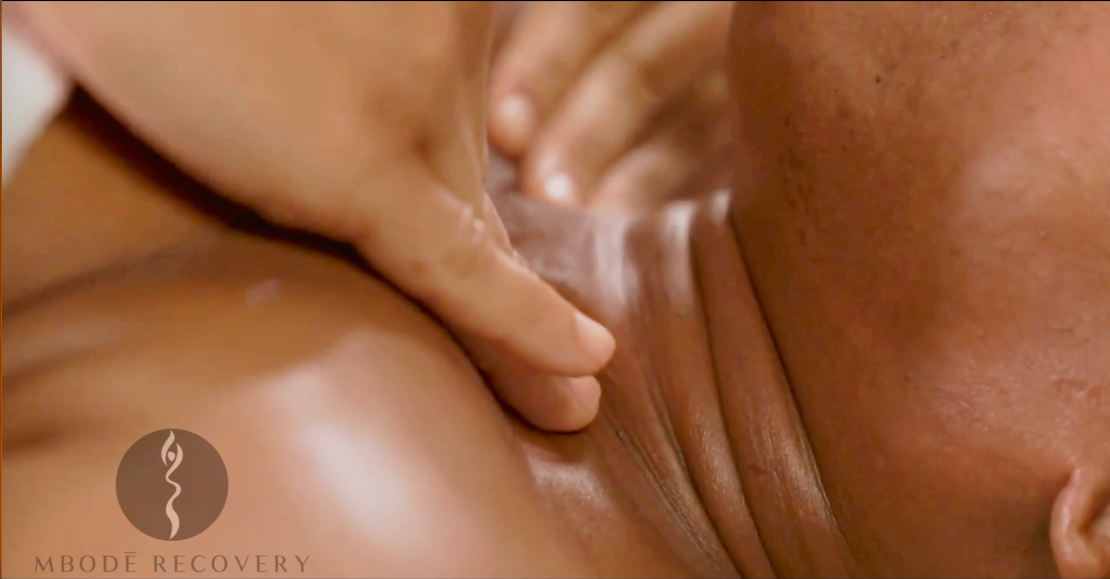
But there's another question I've found myself asking. Why is massage after surgery so often missing from the recovery conversation?
Not because massage therapy is appropriate for every injury or every person. Not because it replaces physicians, surgeons, or physical therapists. But because, for many people, it never even enters the conversation.
After more than twelve years working in chiropractic clinics, physical therapy settings, plastic surgery practices, post-operative recovery, spas, and private practice, this has become one of the most fascinating observations of my career. I've become less interested in proving the value of massage therapy and more interested in understanding why it has been positioned the way it has.
The Hierarchy of Care
I believe most of us carry an unconscious hierarchy of care. Some professions are immediately viewed as essential. Others are viewed as optional.
If someone tears a ligament or undergoes surgery, most people instinctively think about physicians, surgeons, medications, and physical therapy. Massage therapy rarely occupies that same space. Instead, it's often viewed as something extra. Something you do if you have the time. If you have the budget. If someone happens to recommend it.
That perception is interesting because it exists before anyone has evaluated whether massage after surgery may be appropriate for that individual's recovery. The decision has already been made. Massage has been placed into the category of "optional."
More Than a Spa Experience
Part of that perception may come from how the profession has been represented. Ask someone to picture a massage, and many people immediately imagine candles, soft music, and relaxation.
There is absolutely nothing wrong with relaxation. Stress reduction has meaningful physiological benefits, and creating space for the nervous system to settle is valuable. But relaxation represents only one part of a remarkably diverse profession.
Massage therapists work in hospitals, rehabilitation clinics, chiropractic offices, sports medicine, oncology support, hospice, plastic surgery practices, wellness centers, and private practices. Many pursue advanced education in anatomy, physiology, pathology, orthopedic assessment, scar tissue management, lymphatic therapy, neuromuscular conditions, and movement.
Yet despite the breadth of the profession, public perception often remains surprisingly narrow.
The Cost of Being Viewed as Optional
How we value a profession influences how we use it. If massage therapy is viewed primarily as self-care or luxury, it becomes less likely to be considered during recovery from surgery, injury, or chronic pain. Not because someone researched it and decided it wasn't appropriate. Because it never made the list.
That distinction matters. You can't consider an option that never enters your mind.
Over the years, I've had countless conversations where people describe every aspect of their recovery plan, doctor visits, imaging, medications, physical therapy, exercise, supplements, and it becomes clear that massage after surgery simply wasn't something they thought to consider. Not because they rejected it. Because it wasn't part of their mental framework for recovery.
To me, that's one of the greatest challenges facing our profession. Not opposition. Absence.
Where Massage After Surgery May Be Considered
Recovery is rarely about one profession. It is often a collaborative process that draws on different areas of expertise. Depending on the individual, their diagnosis, and guidance from their healthcare team, massage after surgery may be considered as part of a broader recovery strategy in situations such as:
Post-surgical recovery when medically appropriate
Sports and athletic recovery
Certain musculoskeletal conditions
Chronic muscle tension
Stress-related muscle guarding and recovery
Every person is different, and timing matters. Massage therapy is not a substitute for medical care, nor is it appropriate in every circumstance. But perhaps it deserves to be considered more often than it currently is.
Common Questions About Massage After Surgery
How long should you wait to get a massage after surgery?
Massage timing varies by surgeon protocol and individual healing. Sessions are typically available as soon as you are cleared by your surgical team. There is no universal timeline, and following your surgeon's specific instructions always comes first.
What kind of massage do you get after surgery?
Post-surgical work is not the same as a spa massage. It commonly involves lighter, more specialized techniques such as manual lymphatic drainage, which is designed to support fluid movement and tissue comfort rather than deep pressure. Learn more about how lymphatic-focused care fits into surgical recovery.
Can massage really help with scar tissue?
Scar tissue and fibrosis form as a natural part of the healing process. Many practitioners use massage as one tool among several to support tissue mobility during recovery, though individual results vary and outcomes depend on the person, the procedure, and the surgeon's guidance. Read more about why fibrosis forms after surgery.
What is a massage after surgery called?
Post-surgical massage, medical massage, and manual lymphatic drainage are the most common terms used. The specific technique and terminology can vary by practitioner and by what your surgeon has authorized as part of your recovery plan.
Maybe the Conversation Needs to Change
The treatments we consider "essential" don't develop in isolation. They are influenced by healthcare systems. Insurance models. Education. Culture. Marketing. History. And the stories we've been told about what healthcare should look like.
Those influences shape more than public opinion. They shape referrals. They shape expectations. They shape patient decisions. And ultimately, they shape whether an entire profession is viewed as part of recovery, or as something people pursue only after everything else has failed.
I'm not arguing that massage therapy belongs in every recovery plan. I'm asking a different question. Why has it become so easy to leave it out of the conversation altogether?
Perhaps the future of recovery isn't about replacing one profession with another. Perhaps it's about recognizing that meaningful recovery often comes from collaboration. And perhaps one of the most overlooked steps in recovery isn't scheduling a massage.
It's remembering that massage after surgery was an option in the first place. And if you're still in the planning stages, that consideration can start even earlier than the recovery itself. Recovery starts before surgery, in how you choose your timing, prepare your life, and set yourself up for the healing process ahead.
If you're planning a procedure, preparation matters just as much as the recovery itself. Our free companion guide, Recovery Starts Before Surgery, walks through choosing the right timing and preparing your life to support healing. Read more and download the guide.
This content is for educational and informational purposes only. It does not replace the advice of your surgeon or medical provider. Always follow your surgeon's specific post-operative instructions. Individual results may vary.