Why You Still Feel Inflamed, Puffy, and Exhausted: Even When You’re Doing Everything Right
You’ve improved your diet.
You’re drinking more water.
You’re exercising.
You’re taking supplements.
You’ve cleaned up your lifestyle.
Yet you still feel puffy, inflamed, tired, uncomfortable, or like your body simply isn’t responding the way it used to.
For many people, this can be incredibly frustrating. It often feels as though more effort should equal better results.
But wellness isn’t simply about what goes into the body.
It’s also about how effectively the body recovers.
One often-overlooked component of recovery is the lymphatic system.
What Is the Lymphatic System?
The lymphatic system is a network of vessels, lymph nodes, and organs that helps maintain fluid balance, supports immune function, and assists the body’s natural recovery processes.
Unlike the circulatory system, which has the heart to move blood throughout the body, the lymphatic system relies heavily on movement, breathing, muscle contractions, hydration, and healthy circulation to keep fluid moving efficiently.
When this system becomes sluggish, people may experience symptoms such as:
Puffiness and swelling
Fluid retention
Feelings of heaviness
Chronic inflammation
Brain fog
Fatigue
Slower recovery after exercise
Increased discomfort during hormonal transitions
A general sense of feeling “stuck”
While these symptoms can have many contributing factors, supporting lymphatic function is often an important piece of the overall wellness picture.
What Is Lymphatic Drainage?
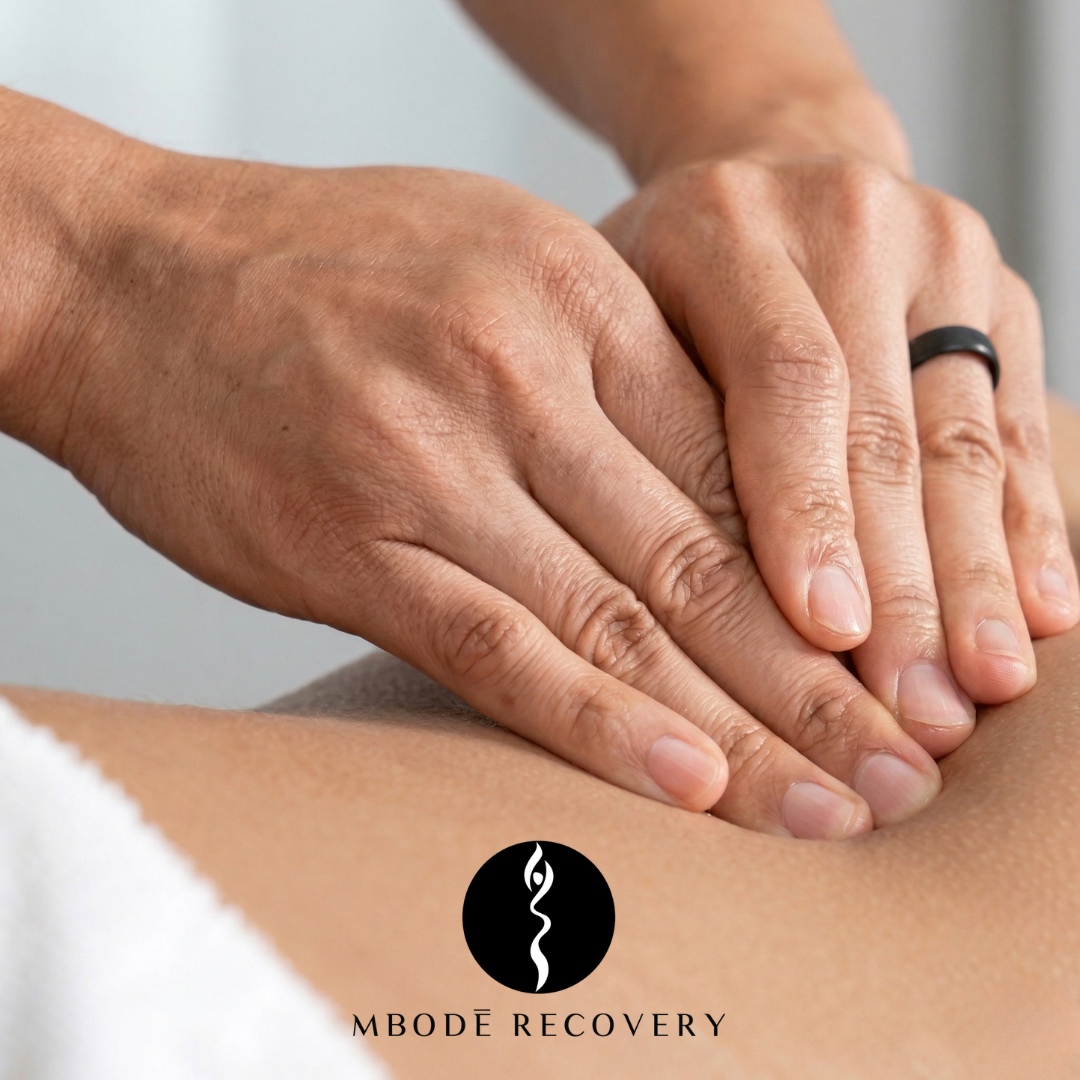
Lymphatic drainage is a specialized therapeutic approach designed to support the movement of lymphatic fluid through the body’s natural pathways.
Many people are surprised to learn that effective lymphatic work is not necessarily about pressure.
The lymphatic vessels sit close to the surface of the skin and respond best to precise, intentional techniques that work with the body’s natural physiology.
The objective is not to force change.
The objective is to support the body’s existing recovery mechanisms.
Signs Your Body May Benefit From Lymphatic Support
You Wake Up Puffy
Do your rings fit differently from one day to the next?
Does your face appear more swollen in the morning?
Do your legs or abdomen feel heavy after long periods of sitting?
Fluid retention can occur for many reasons, including stress, travel, hormonal fluctuations, inactivity, and recovery from illness or surgery.
You Feel Like You’re Doing Everything Right
Many individuals feel frustrated because they are making healthy choices yet continue to struggle with inflammation, swelling, discomfort, or low energy.
Sometimes the missing conversation isn’t about doing more.
It’s about supporting the systems responsible for recovery.
You’re Navigating Hormonal Changes
Perimenopause, menopause, menstrual cycles, and periods of prolonged stress can all influence how the body feels.
Many women report increased puffiness, fluid retention, and changes in recovery during these transitions.
While lymphatic drainage does not directly alter hormone production, it may help support comfort, wellness, and overall recovery during these periods of change.
You Spend Long Hours Sitting
Whether at a desk, in a vehicle, or on an airplane, prolonged sitting can contribute to feelings of heaviness, stiffness, and sluggish circulation.
This is one reason many frequent travelers and professionals seek lymphatic-focused treatments as part of their wellness routine.
Lymphatic Drainage Is About More Than Detox
One of the most common misconceptions is that lymphatic drainage is simply a “detox massage.”
The reality is far more complex.
The lymphatic system plays a role in fluid regulation, immune function, tissue health, and recovery.
Supporting lymphatic flow isn’t about forcing toxins out of the body.
It’s about supporting the body’s natural ability to maintain balance, adapt to stress, and recover efficiently.
Recovery Is Often the Missing Piece
Today’s wellness culture tends to focus on optimization.
Better nutrition.
Better supplements.
Better exercise programs.
Better routines.
Those things matter.
But many people are not struggling because they lack discipline.
They are struggling because recovery has been overlooked.
Recovery is where adaptation occurs.
Recovery is where healing occurs.
Recovery is where the body restores, repairs, and prepares for what comes next.
Supporting recovery is not a luxury.
It is a foundational component of long-term wellness.
Frequently Asked Questions About Lymphatic Drainage
How do I know if I’m retaining fluid or simply gaining weight?
Fluid retention often fluctuates. You may notice swelling is worse at certain times of day, after travel, during hormonal shifts, after high-sodium meals, or during periods of stress. Weight gain and fluid retention can also occur simultaneously.
Can lymphatic drainage help with bloating?
Depending on the underlying cause, some individuals report feeling less bloated and more comfortable following treatment. However, bloating can have many contributing factors, including digestive, dietary, hormonal, and inflammatory influences.
Is lymphatic drainage always gentle?
Not necessarily.
While the lymphatic vessels themselves respond best to gentle and precise stimulation, effective treatment is not always limited to light pressure alone.
Depending on the individual’s presentation, goals, and tissue quality, practitioners may integrate lymphatic principles with other therapeutic approaches that support mobility, tissue health, circulation, and recovery.
The most effective treatment is not determined by how light or how deep it feels. It is determined by selecting the appropriate approach for the individual.
Why do some people need to use the restroom after a session?
Many clients report increased urination following treatment. Because lymphatic drainage supports fluid movement throughout the body, this is a commonly reported experience.
Is lymphatic drainage only for post-surgical recovery?
No.
While lymphatic drainage is widely recognized for post-surgical recovery, many people seek treatment to support wellness, reduce swelling, manage stress, improve recovery, and address feelings of heaviness or fluid retention.
Can lymphatic drainage help with weight loss?
This is one of the most common questions surrounding lymphatic drainage.
While lymphatic drainage is not considered a fat-loss treatment, it is commonly incorporated into wellness, body contouring, and weight-management programs around the world because of its potential to support healthy fluid movement and reduce feelings of puffiness, swelling, and heaviness.
Individuals experiencing fluid retention may notice changes in how their body feels, how their clothing fits, or a reduction in visible puffiness following treatment. For some, these changes can create the appearance of looking leaner or less swollen.
However, sustainable weight loss and body composition changes are influenced by many factors, including nutrition, activity levels, sleep, stress, hormones, medications, and overall health.
Lymphatic drainage is best viewed as a supportive therapy that may complement a comprehensive wellness plan rather than a standalone weight-loss solution.
How often should lymphatic drainage be performed?
The answer depends on the individual’s goals, health history, and circumstances. Someone recovering from surgery may require a different treatment schedule than someone seeking ongoing wellness support.
Final Thoughts
Many people spend years searching for the next supplement, diet, or wellness trend while overlooking one of the body’s most important recovery systems.
If you’ve been feeling inflamed, swollen, fatigued, or disconnected from your body despite your best efforts, it may be worth considering whether your body needs more support—not more pressure.
Sometimes the path forward isn’t about pushing harder.
It’s about recovering better.
Whether you’re navigating post-surgical recovery, chronic stress, hormonal transitions, or persistent swelling, lymphatic drainage may be a valuable part of a comprehensive wellness strategy. Individuals throughout Atlanta, and the surrounding communities increasingly incorporate recovery-focused bodywork into their overall health and wellness routines.
Interested in learning whether lymphatic drainage may be appropriate for your goals? Explore MBODE Recovery’s recovery-focused services or schedule a consultation to learn more.