Recovery Across Cultures: A Shared Need, a Personal Experience
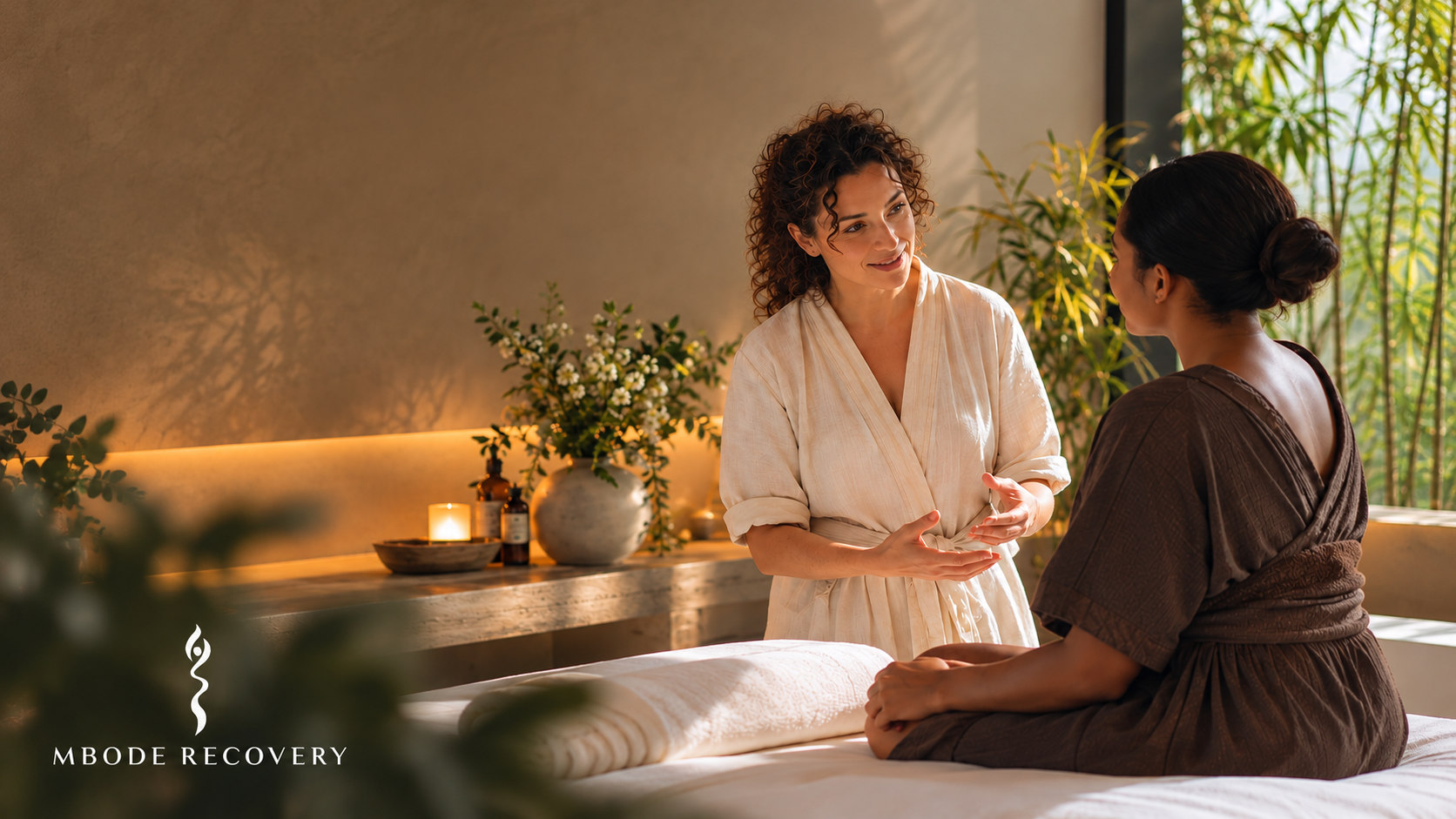
We do not have to share the same culture to understand what it feels like to need recovery.
People around the world experience demanding work, physical fatigue, stress, and the need for rest. Our routines and responsibilities may look different, but the need to be cared for is something many of us can recognize in one another.
In bodywork, that care can be communicated through touch. Taking time, paying attention, and responding thoughtfully can help someone feel cared for, even when conversation is limited.
That is one of the things I value about this work.
There is a human connection in allowing someone to support you. You do not have to explain every part of your life to receive care, and you do not have to share the practitioner's background for the experience to be meaningful.
But a shared need for recovery does not mean we all want to receive it in the same way.
How Culture Can Shape Our Experience of Care
Our understanding of rest, comfort, and personal space does not develop in isolation.
Culture can influence how comfortable someone feels with touch, how much privacy they prefer, or what they expect from a wellness experience.
Some people may be accustomed to bodywork as part of their regular wellness routine. Others may approach it with uncertainty, particularly if the experience is unfamiliar.
The 2026 Psychological Well-being in Hospitality Report from EHL Hospitality Business School raises an important consideration: wellbeing is not culturally neutral.
The report encourages hospitality providers to recognize that approaches to wellbeing may need to accommodate different cultural perspectives.
I believe this is worth considering in bodywork as well.
However, acknowledging cultural differences is not the same as making assumptions about people based on where they come from.
Personal preferences, previous experiences, and individual boundaries matter just as much.
Two people from the same cultural background may have entirely different expectations of care.
And two people from different backgrounds may feel comfortable with exactly the same approach.
The starting point should always be the person in front of us.
Comfort Does Not Look the Same for Everyone
Consider something as simple as conversation during a treatment.
One person may appreciate being reassured throughout a session. They may want to understand what the practitioner is doing and why.
Another person may feel most comfortable in quiet, with very little conversation.
Neither preference is more appropriate than the other.
The same differences may appear in other parts of the experience.
Someone may prefer an unscented product. Another may feel more comfortable with additional draping or a different room temperature.
Some clients want a detailed explanation before a new technique is introduced. Others prefer a shorter explanation and time to settle.
Preferences around the practitioner's gender, physical boundaries, and treatment pace may also influence someone's comfort.
These details might seem small, but they can shape how a person experiences the entire session.
A treatment can be technically well delivered and still feel uncomfortable if the person receiving it does not feel heard or respected.
This is one reason personalized care matters.
It is not about creating an entirely different treatment for every client.
It is about recognizing when something needs to be adjusted and making room for that adjustment.
Why Listening Matters as Much as Touch
In my work, listening and touch are closely connected.
Before beginning a session, I want to understand what someone needs, what they are comfortable with, and whether there is anything I should know about their previous experiences.
That conversation helps guide the work.
It also gives the client an opportunity to ask questions and communicate preferences before treatment begins.
The American Massage Therapy Association's guidance on what clients can expect during a massage session emphasizes communication, appropriate draping, informed consent, and the ability to request adjustments during treatment.
These are important parts of professional care.
But listening does not end once someone is on the treatment table.
A client may become uncomfortable with a technique they initially agreed to. They may need a change in pressure, additional explanation, or a pause.
They should feel comfortable communicating that.
And the practitioner needs to remain attentive enough to respond.
Sometimes a small adjustment can help someone feel more at ease.
Other times, the most appropriate decision is to stop, reconsider the approach, or refer the concern to another qualified provider.
Thoughtful care means being willing to adapt rather than expecting every person to respond in the same way.
An Individual Approach to Recovery
At MBODE Recovery, my approach to bodywork is guided by the understanding that every person arrives with different needs.
Someone recovering from surgery may have physical limitations, sensitivity, or concerns that require additional attention.
Another person may be seeking support for ongoing tension, heaviness, or physical stress.
Even when two clients have similar concerns, their comfort levels and responses may differ.
This is one of the principles behind the Manual Lymphatic Integration Method™ (MLIM™), which I developed through my years of hands-on practice.
The method emphasizes intentional sequencing, attention to tissue response, and adapting techniques to the individual rather than following a fixed routine for everyone.
Part of that process is understanding what the person can comfortably receive during a session.
It also means respecting boundaries, recognizing when adjustments are needed, and working within the appropriate scope of care.
For post-surgical clients, treatment decisions must also remain consistent with their surgeon's instructions and individual stage of healing.
The goal is not to make every body respond in the same way.
It is to provide thoughtful, appropriate support based on the person receiving it.
What This Means for Hospitality and Wellness Experiences
This conversation extends beyond an individual treatment room.
Hotels, resorts, spas, and other wellness providers welcome guests who bring different expectations and understandings of care into the same space.
A wellness experience may feel familiar and comfortable to one guest but unfamiliar to another.
How much room do we give people to communicate those differences?
Can someone request a quieter experience?
Are preferences around scent, privacy, and touch discussed without making the guest feel difficult?
Does the practitioner have enough understanding and flexibility to adapt appropriately?
These are questions worth asking.
Personalization does not always require a more elaborate service or an expanded treatment menu.
Sometimes it begins with making someone feel comfortable enough to speak.
For providers, the opportunity is to combine consistent professional standards with enough flexibility to respect the individual.
We can recognize a shared human need while making room for different ways of meeting it.
Frequently Asked Questions
How does culture influence a wellness experience?
Culture may shape expectations around touch, privacy, communication, and personal space. However, cultural background alone cannot tell a practitioner what someone needs. Individual preferences and previous experiences should always be considered.
Can I ask for adjustments during a bodywork session?
Yes. You can communicate preferences around pressure, conversation, draping, or comfort throughout a session. You can also ask questions, request a pause, or withdraw consent. Any adjustment must remain appropriate for the treatment and your individual circumstances.
Why is personalized care important in recovery-focused bodywork?
People may have different physical needs, sensitivities, recovery stages, and comfort levels. An individualized approach allows the practitioner to consider those differences and adapt appropriate techniques rather than assuming every client will respond in the same way.
Thoughtful Care Begins With Understanding
Recovery is a shared human need, but the experience of receiving care remains deeply personal.
For me, this is one of the meaningful parts of working with people through bodywork.
Touch has the potential to create connection when it is welcome and approached with respect.
That connection does not require us to share the same background or understand every detail of another person's life.
It asks us to pay attention, communicate clearly, and remain willing to adjust.
Because good care is not simply about what we do.
It is also about how comfortably someone can receive it.
If you are looking for individualized, recovery-focused bodywork in Smyrna or the Atlanta area, you can explore MBODE Recovery's services to learn more about the care available.
For more on how a person's individual response can shape a recovery experience, you may also find my article What Does a Nervous System Reset Really Mean? helpful.
Mahalath Moore is the founder of MBODE Recovery and creator of the Manual Lymphatic Integration Method™ (MLIM™). She has more than 12 years of experience in recovery-focused bodywork and lymphatic therapy.
This content is for educational and informational purposes only. It does not replace the advice of your surgeon or medical provider. Always follow your surgeon's specific post-operative instructions. Individual results may vary.